
For many years, corporate events were judged primarily by their scale, production quality and the calibre of speakers on stage. While those elements still matter, the expectations placed on events have shifted significantly. Organisations now look to events to create alignment, build trust and inspire meaningful action across their audiences.
Achieving those outcomes requires more than strong logistics or impressive staging. It requires a deeper understanding of the people in the room.
Empathy, once seen as a soft skill, is becoming one of the most valuable capabilities in event design. The ability to see an experience through the eyes of the audience allows organisers to shape events that feel relevant, human and purposeful. As we explored in our blog on understanding your delegates, truly exceptional events begin with insight into the people attending. Empathy is what transforms that insight into meaningful design decisions. You can read more about that here. (link to follow)
Seeing the event from the delegate’s perspective
When planning an event, it is easy to focus on operational priorities. Venues must be secured, content curated and schedules carefully constructed. Yet these practical considerations can sometimes overshadow a more important question: how will the event feel for the delegates attending?
Empathy in event design means stepping back and considering the experience from the audience’s perspective. What will delegates be thinking as they arrive? What expectations are they bringing with them? What pressures from their roles might influence how they engage with the content?
At Activate, we have found that when event planners take the time to view the experience through this human lens, the design process becomes far more intentional. Decisions about content, pacing and format begin to reflect what the audience genuinely needs rather than simply what the agenda requires.
Empathy helps events address real challenges
Corporate audiences rarely arrive at events without context. They bring the realities of their day to day responsibilities, the priorities of their organisation and often the pressures of an evolving business environment.
Without empathy, it is easy for event content to drift into broad or abstract territory. While interesting, it may not address the practical challenges delegates are currently facing.
Empathy encourages organisers to ask more meaningful questions during the planning phase. What decisions are delegates currently responsible for? What uncertainties are they navigating within their organisation? Where might they be looking for guidance or reassurance?
When these questions inform the design of sessions and discussions, the event begins to feel directly relevant to the people attending. Delegates recognise their own experiences in the conversations taking place, which naturally encourages deeper engagement.
Human connection drives participation
Participation is often described as a key objective for modern corporate events. Organisations want delegates to contribute ideas, share perspectives and engage in discussion rather than simply listen passively.
However, participation cannot be forced. It grows from an environment where people feel comfortable contributing.
Empathy plays an important role in shaping that environment. When organisers consider how delegates might feel about speaking up in a group setting, they can design formats that encourage participation from a wider range of voices. Smaller discussions, facilitated conversations and collaborative exercises can all create spaces where people feel more confident sharing their thoughts.
From our experience, the most engaging events are those where delegates feel that their perspectives are genuinely valued, rather than simply requested.

Empathy improves communication and storytelling
Empathy also influences how messages are communicated during an event. Information alone rarely inspires lasting engagement. Instead, people connect with stories, examples and ideas that resonate with their own experiences.
When organisers understand the mindset of their audience, they can shape content in ways that feel more relatable and meaningful. Stories drawn from real challenges, practical insights and authentic examples tend to create stronger connections than abstract presentations.
This approach does not dilute the strategic message of an event. Instead, it strengthens it by ensuring that the message is delivered in a way the audience can easily understand and apply.
Designing experiences that feel human
Empathy extends beyond the content of an event to the overall experience delegates have throughout the day.
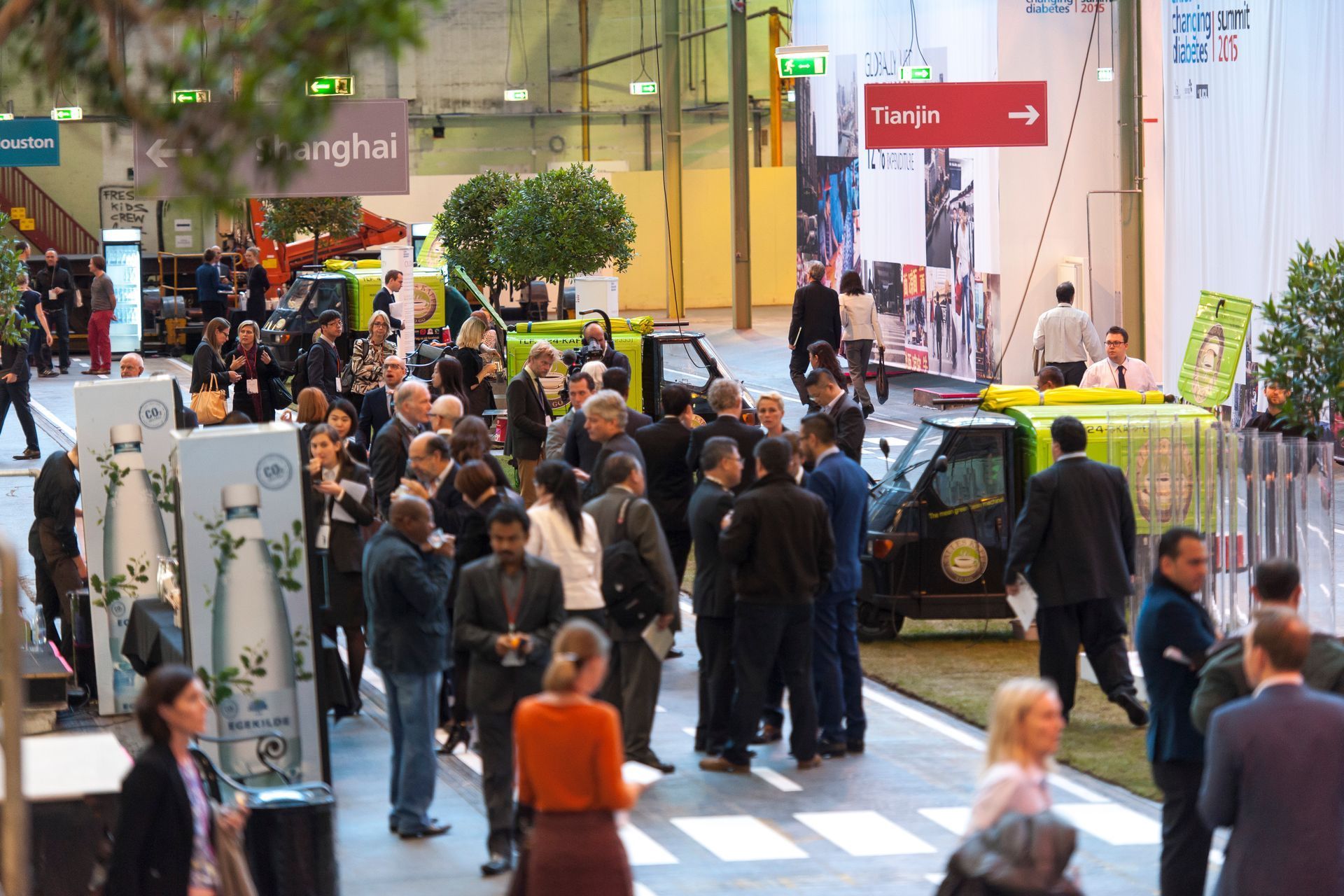
Consider how simple design choices can influence how people feel. The layout of a room can encourage conversation or reinforce distance. The pacing of an agenda can either energise participants or leave them fatigued. Opportunities for informal interaction can transform an event from a series of sessions into a genuine community experience.
When these details are designed with empathy, the event begins to feel more human. Delegates feel comfortable, included and able to focus on the purpose of the gathering rather than the mechanics of the day.
At Activate, we often think about how an event will feel from the delegate’s point of view, not just how it will function from an organisational perspective.
Empathy strengthens long term impact
Perhaps the greatest value of empathy in event design lies in the long term impact it can create.
When delegates feel understood, they are far more likely to remember the experience and apply what they have learned. They are also more likely to build stronger connections with colleagues, partners or clients who attended alongside them.
Events designed with empathy therefore extend their influence well beyond the event itself. The insights shared, relationships built and ideas generated continue to shape conversations long after delegates return to their everyday roles.
A strategic advantage in a crowded landscape
As the corporate events landscape continues to evolve, the difference between an average event and an exceptional one increasingly comes down to how well it connects with its audience.
Empathy provides a powerful advantage in achieving this connection. By understanding the perspectives, motivations and challenges of delegates, organisers can design events that feel purposeful and relevant.
For us at Activate, empathy is not simply a desirable quality. It is a core part of how we approach event design. When you start with a genuine understanding of the people in the room, every element of the event becomes more meaningful.
In an industry built on bringing people together, empathy may well be the most important design tool we have.