
Every successful corporate event begins with a simple but often overlooked question: who is the audience, really?
Not in terms of job titles, departments or seniority levels, but in terms of the people behind those labels. Their motivations, pressures, expectations and behaviours. Understanding these human dynamics is what separates events that simply deliver information from those that genuinely resonate.
At Activate, we have learned that the most effective events are rarely driven by logistics first. They begin with insight into the delegates themselves. When organisers take the time to understand the people in the room, the entire design process becomes clearer and far more impactful.
Delegates are not a generic audience
Corporate events often group attendees into broad categories such as leadership teams, partners, employees or clients. While these labels are useful from a planning perspective, they can mask the real diversity within a room.
Even within the same organisation, delegates arrive with very different expectations. Some are looking for inspiration, while others want practical guidance they can apply immediately. Some are fully engaged from the outset, while others arrive with their attention already pulled elsewhere.
From our experience delivering global conferences, leadership summits and incentive events, understanding these different mindsets can dramatically change how an event is structured. A session designed for curiosity will look very different from one designed to solve real operational challenges.
When organisers recognise these nuances, the event becomes far more relevant and engaging.
Insight should shape the experience from the start
Many event plans begin with familiar building blocks: a venue, an agenda and a list of speakers. These are all essential elements, but without insight into the audience they risk becoming a framework without direction.
Understanding delegates early in the planning process allows every element of the event to be designed with purpose. The format of sessions, the balance between presentations and interaction, the tone of communication and even the pacing of the day can all be shaped by what the audience actually needs.
Our team often spends time exploring questions that go beyond the brief itself. What challenges are delegates facing in their roles right now? What decisions are they being asked to make within their organisation? What conversations are they already having internally?
When these insights inform the design process, the event feels more relevant and meaningful to those attending.
Relevance builds engagement
One of the biggest factors influencing engagement is whether delegates see the event as relevant to their own experience.
People are far more likely to participate when they feel the content reflects their reality. Discussions that connect with real challenges, decisions or opportunities naturally generate stronger engagement than those that remain theoretical.
In practice, this often means shifting the focus from delivering large volumes of information to creating opportunities for discussion and reflection. When delegates recognise their own experiences within the event content, participation becomes far more natural.
From what we have seen across many corporate events, relevance is one of the strongest drivers of engagement. When people feel understood, they are much more willing to contribute.
Human dynamics shape participation
Another important element of understanding delegates is recognising how people behave in group environments.
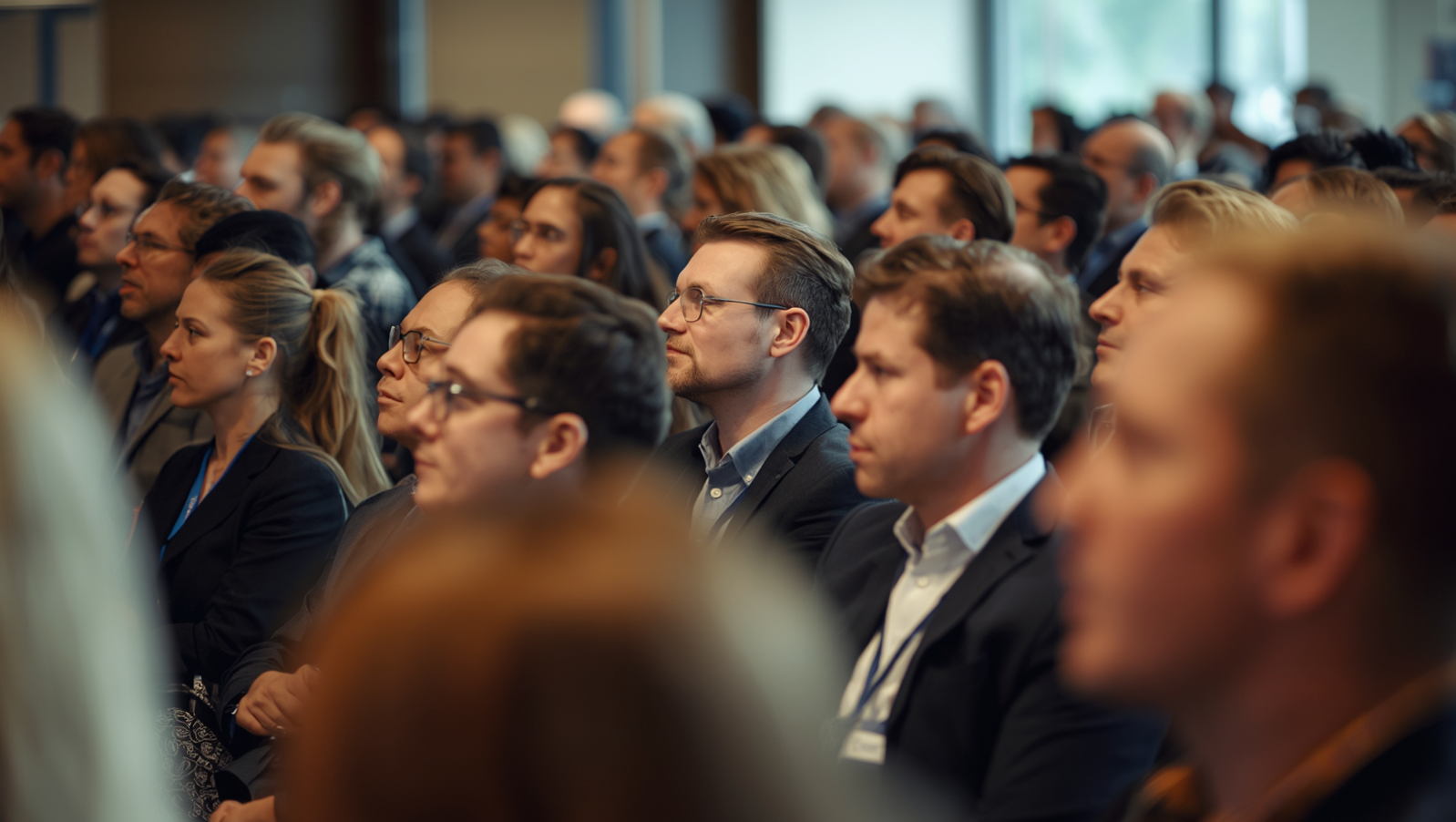
In corporate settings, participation is often influenced by hierarchy, confidence levels and internal relationships. Some delegates will feel comfortable speaking openly in a large room, while others may prefer smaller discussions or structured activities.
Designing with these dynamics in mind allows organisers to create multiple ways for people to contribute. Smaller breakout sessions, facilitated discussions and collaborative exercises can all help encourage participation from a wider range of voices.
When the environment supports different communication styles, the conversation becomes richer and more inclusive.
Experience matters as much as content
While strong content is essential, the overall experience of the event also plays a major role in how delegates respond.
Simple details such as the layout of a room, the flow of the agenda and the balance between structured sessions and informal conversations all influence how people feel during the event. When these elements are thoughtfully designed, delegates are more relaxed, more open and more engaged.
At Activate, we often think about how an event will feel from the perspective of the delegate. Are there opportunities to connect with peers? Is there enough space to reflect on ideas? Does the environment encourage conversation rather than passive listening?
When the experience is designed around the people attending, engagement tends to follow naturally.
Insight continues beyond the event itself
Understanding delegates should not end when the event concludes. In many ways, the most valuable insights often emerge afterwards.
Feedback, conversations and behavioural observations can all reveal how the event was received and what resonated most strongly with attendees. These insights can then inform future events, helping organisers refine their approach and continually improve the experience.
Over time, this process creates a deeper understanding of the audience and allows events to evolve in ways that feel increasingly tailored and effective.
Exceptional events start with people
Corporate events can achieve many things. They can communicate strategy, celebrate achievements, share knowledge or strengthen relationships. Yet behind all of these objectives sits the same essential factor: people.
When organisers focus first on understanding their delegates, every decision that follows becomes more intentional. Content becomes more relevant, participation more authentic and the overall experience far more memorable.
At Activate, this human insight is at the centre of how we approach event design. Because when you truly understand the people in the room, creating an exceptional event becomes far less about guesswork and far more about connection.