
In one of our previous blogs, we looked at why defining event success before planning begins is the single most important thing you can do to get genuine value from your event investment. This month, we want to look at something closely related: what happens when the delivery model works against that definition from the start.
Using multiple suppliers for a single event is common. A venue finder here, an AV company there, a separate travel management agency, a freelance designer for the creative. On paper it looks manageable. In practice, the costs of that fragmentation, in time, risk and money, are almost always underestimated.
Where fragmented delivery goes wrong
The problems with multi-supplier delivery rarely show up in a proposal. They show up onsite, under pressure, when something needs a decision in the next ten minutes and nobody is entirely sure who owns it.
We have been called in to rescue events where AV suppliers were working from a different version of the running order than the production team. Where a venue had confirmed setup times that conflicted with what the travel agency had told delegates. Where creative materials arrived onsite that nobody had signed off, because the approval chain spanned three different organisations.
None of those problems were caused by bad suppliers. They were caused by a delivery model that creates gaps between workstreams and assumes those gaps will manage themselves. They rarely do.

The real cost is not always financial
The direct financial cost of multi-supplier event delivery is real: duplicate briefing time, multiple points of negotiation, overlapping fees and the management overhead of coordinating people who are not coordinating with each other. But the most significant cost is often not financial at all.
It is the cost of distraction. When you are managing four different supplier relationships in the weeks before a major event, your attention is split. The conversations you should be having about content, delegate experience and outcomes are being replaced by status updates, chasing confirmations and resolving conflicts between workstreams.
That is time and headspace that should belong to the event itself, not to the machinery around it.
What single-point accountability looks like in practice
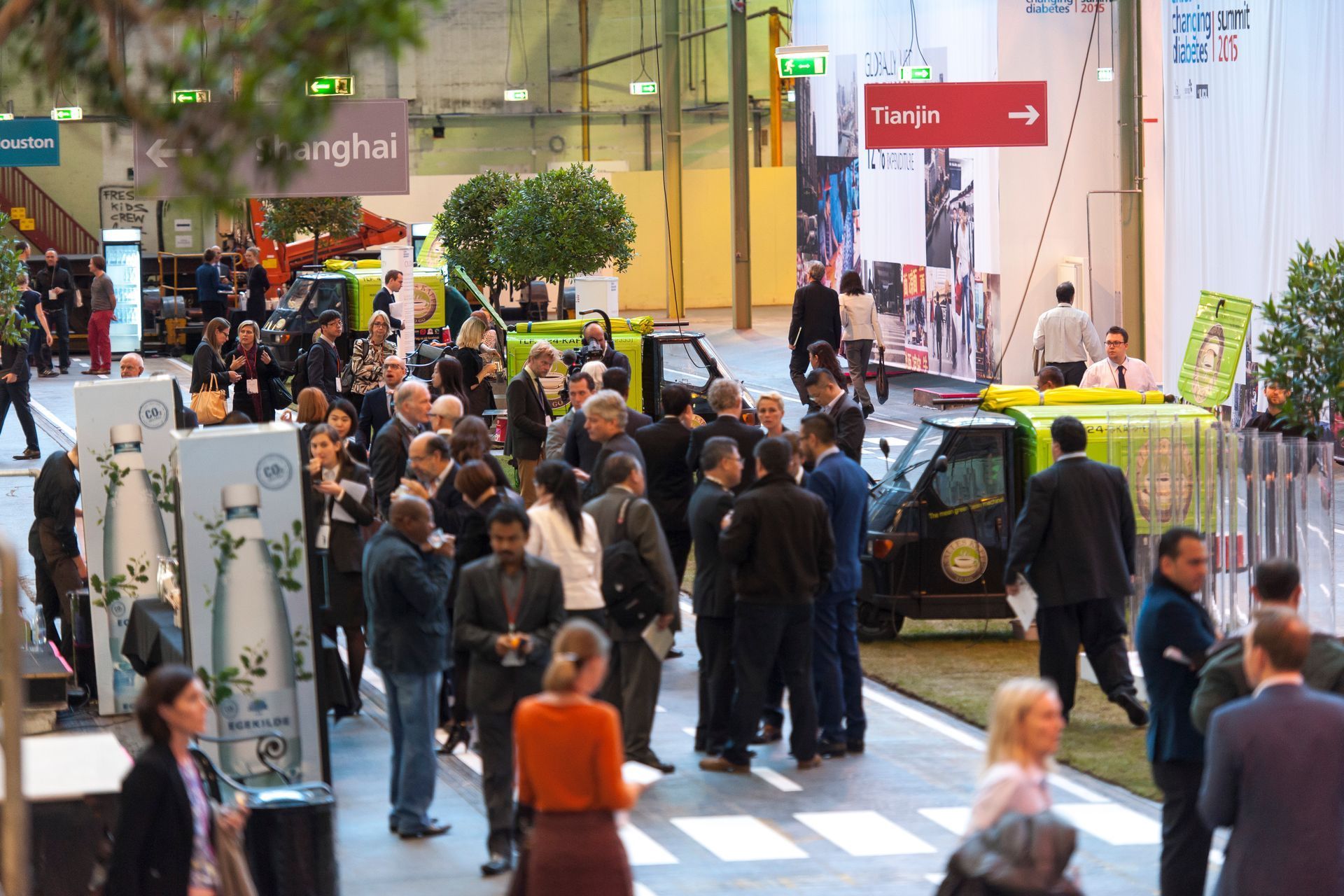
When we delivered the three-day Technical Conference in Frankfurt for over 300 delegates across the EMEA region, the scope of work covered delegate registration, travel and hotel logistics, AV and content production, plenary and breakout session management, a supplier marketplace, offsite dinners at the historic Depot 1899 and videography. Every single workstream was managed by our team.
That is not unusual for us. But what it meant in practice was one briefing, one timeline, one set of contingency plans, and one team taking responsibility when the unexpected may happen. At an event of that scale and complexity, unexpected things always happen. The difference between a visible problem and an invisible one is whether the people managing it are talking to each other in real time or sending emails between companies.
The same principle applied when we delivered a black-tie awards dinner for nearly 140 guests at a renowned central London museum. The setup window was one hour before guests arrived. One hour to install a bespoke stage, LED wall, custom dancefloor, DJ booth, furniture, full AV and all catering arrangements. That was only possible because every element was being managed by an overarching team aligning all suppliers to a single shared objective and plan. Distribute that across multiple suppliers and the hour becomes three, or it simply does not happen.

The question to ask any potential event partner
There is a straightforward question worth asking any event partner you are considering: when something goes wrong on the day, who picks up the phone?
If the honest answer is that it depends on which supplier the problem belongs to, there is a good chance accountability is already becoming blurred. Most events involve multiple suppliers, and there is nothing wrong with that. The challenge comes when nobody is truly responsible for bringing everything together and making sure it all works as one. The answer you want is simple: a team that takes ownership of the whole event and is accountable for making it work.
That is the model we have built at Activate, and it is why clients in regulated sectors such as pharmaceuticals and healthcare trust us with events that carry real consequence. When we managed the pharmaceutical congress for 230 delegates including healthcare professionals and key opinion leaders, there was no room for ambiguity about who was responsible for any element of the programme. The client needed certainty. That certainty only comes from a team that genuinely owns the whole thing.
Full-service delivery is not a premium, it is a safeguard
There is sometimes a perception that a full-service event agency costs more than assembling a team of specialists. In our experience, the opposite is usually true once you account for the real cost of coordination, the risk of things going wrong, and the value of the time you get back.
More importantly, full-service delivery is what makes the outcomes we explored in our first blog actually achievable. You cannot design an intentional delegate experience across a fragmented delivery model. The experience is only as coherent as the team behind it.
In the next blog in this series, we look at why clear ownership is not just about preventing problems. It is about what it actively enables.
Frequently Asked Questions
What are the risks of using multiple event suppliers?
The main risks of using multiple suppliers for a single event are communication breakdowns between workstreams, unclear accountability when problems arise, duplicate management overhead and inconsistent delivery. The more suppliers involved, the more gaps exist between them, and those gaps tend to become visible at the worst possible moment: onsite, under time pressure.
What does end-to-end event management include?
End-to-end event management covers the full lifecycle of an event from initial strategy and brief through to post-event reporting. In practice this includes event strategy, creative concept and design, content development, delegate management and registration, travel and logistics, venue sourcing, AV and technical production, onsite management and, where relevant, exhibition design and build. A genuine end-to-end partner owns all of these workstreams and manages the associated vetted suppliers to a shared goal and aligned project plan.
How do I choose the right event management company?
Check for relevant credentials such as ISO 9001 quality management certification and industry recognised accreditations if you are in a regulated sector, for example FSQS for financial institutions. And ask for case studies and references that demonstrate delivery under pressure, not just events that went smoothly from the start.