
The landscape of corporate events is changing once again, and the shifts taking shape for 2026 feel both significant and quietly powerful. Organisations are asking more of their events. Audiences are arriving with new expectations. Technology continues to evolve, yet the desire for connection and clarity remains at the centre of every successful experience.
As we look at the trends emerging across the industry, it is clear that the coming year will reward leaders who focus on purpose, presence and the human side of design. The events that have real impact in 2026 will be those that combine thoughtful planning with an awareness of how people want to learn, interact and spend their time together.
What follows is a look at the essential shifts likely to shape the year ahead.
A renewed emphasis on clarity
In recent years events have grown increasingly complex. Many agendas have expanded, formats have multiplied and audiences have been asked to absorb more content than ever before. In 2026 we expect to see a return to clarity. Delegates want environments that help them focus, rather than compete for their attention.
Leaders are beginning to prioritise space within their programmes. Time for reflection. Time to absorb. Time to engage without being overwhelmed. A calmer rhythm helps people settle into experience and offers a stronger foundation for meaningful discussions.
Hybrid becoming a continuous journey
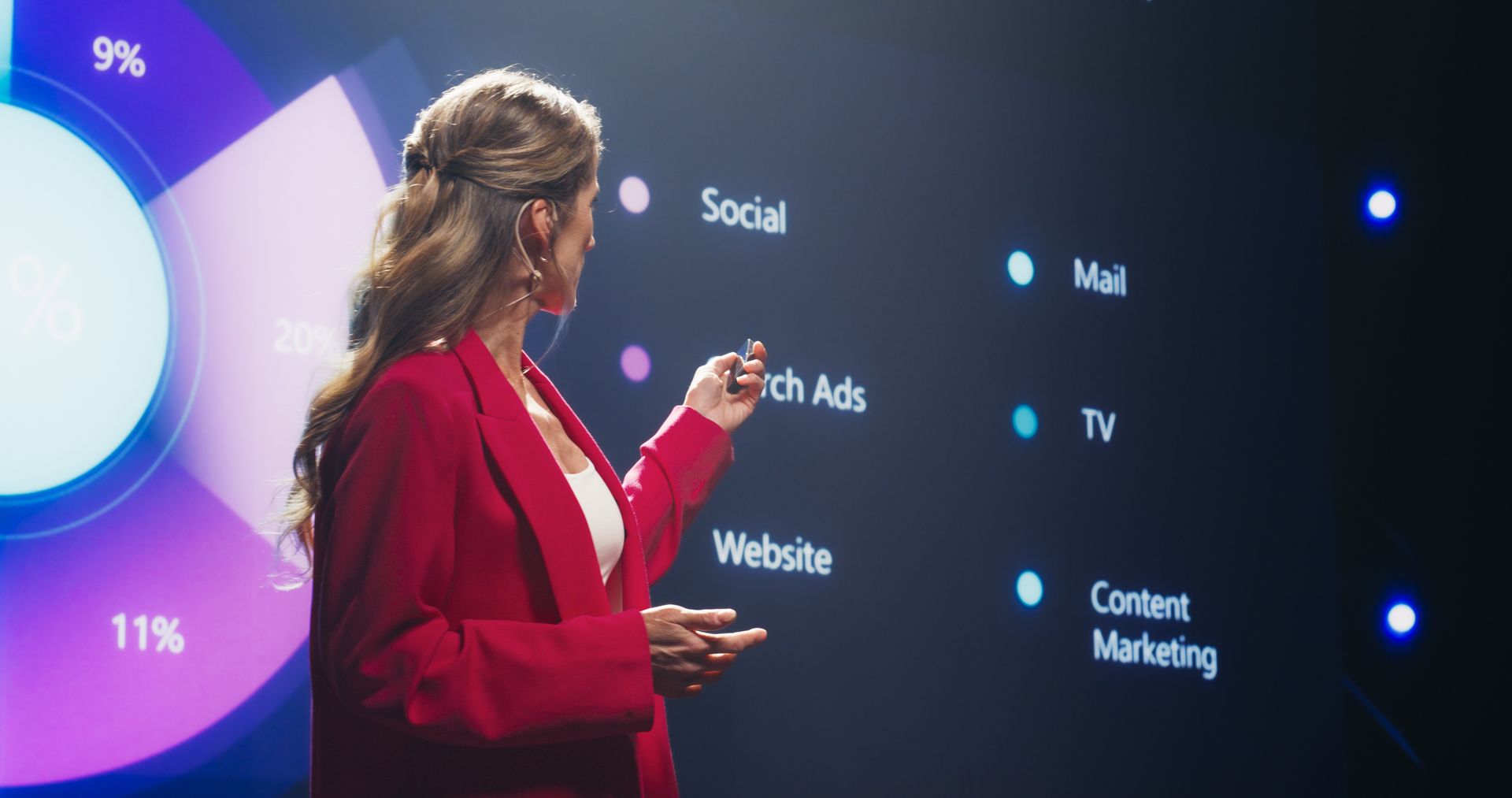
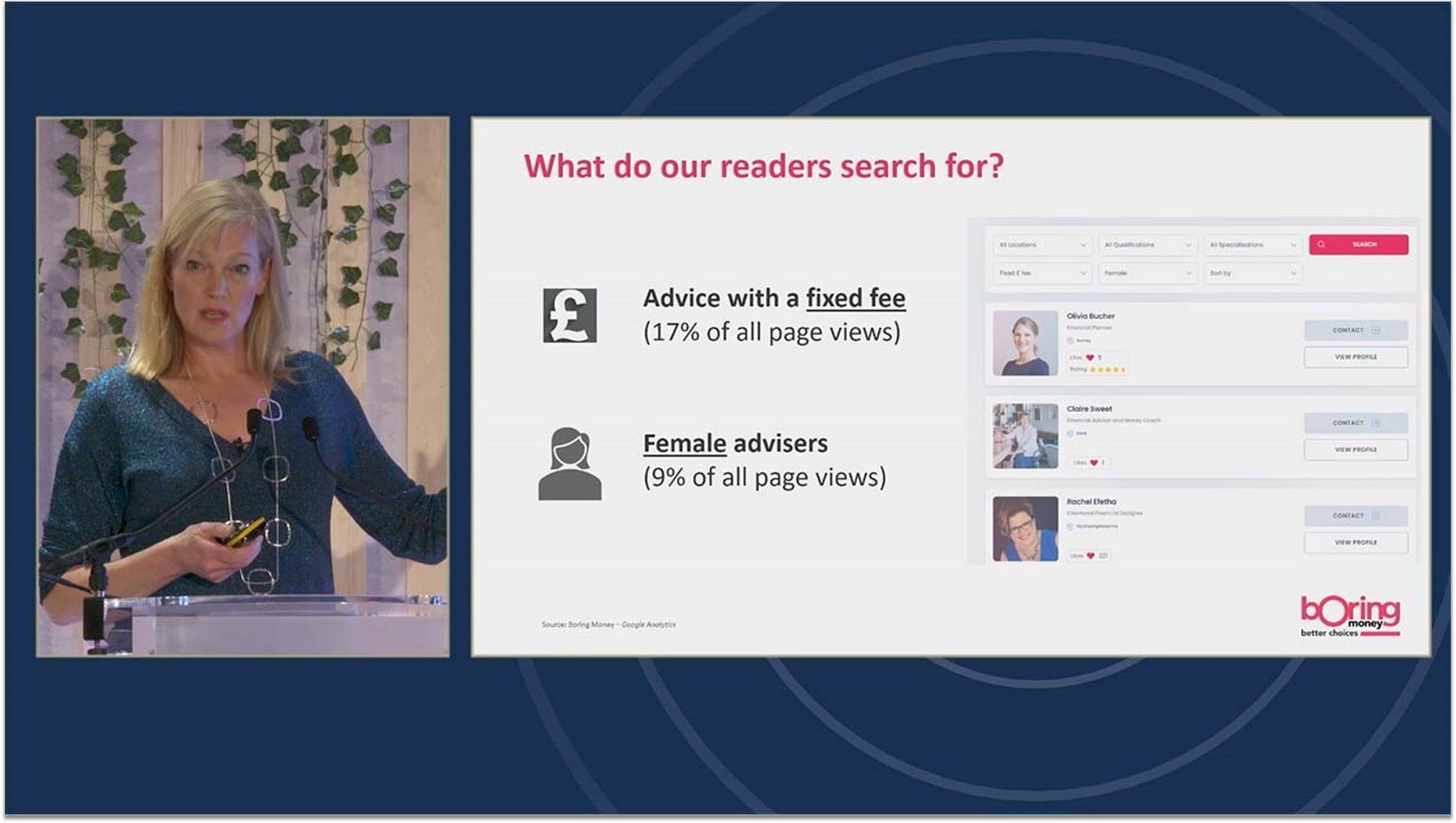
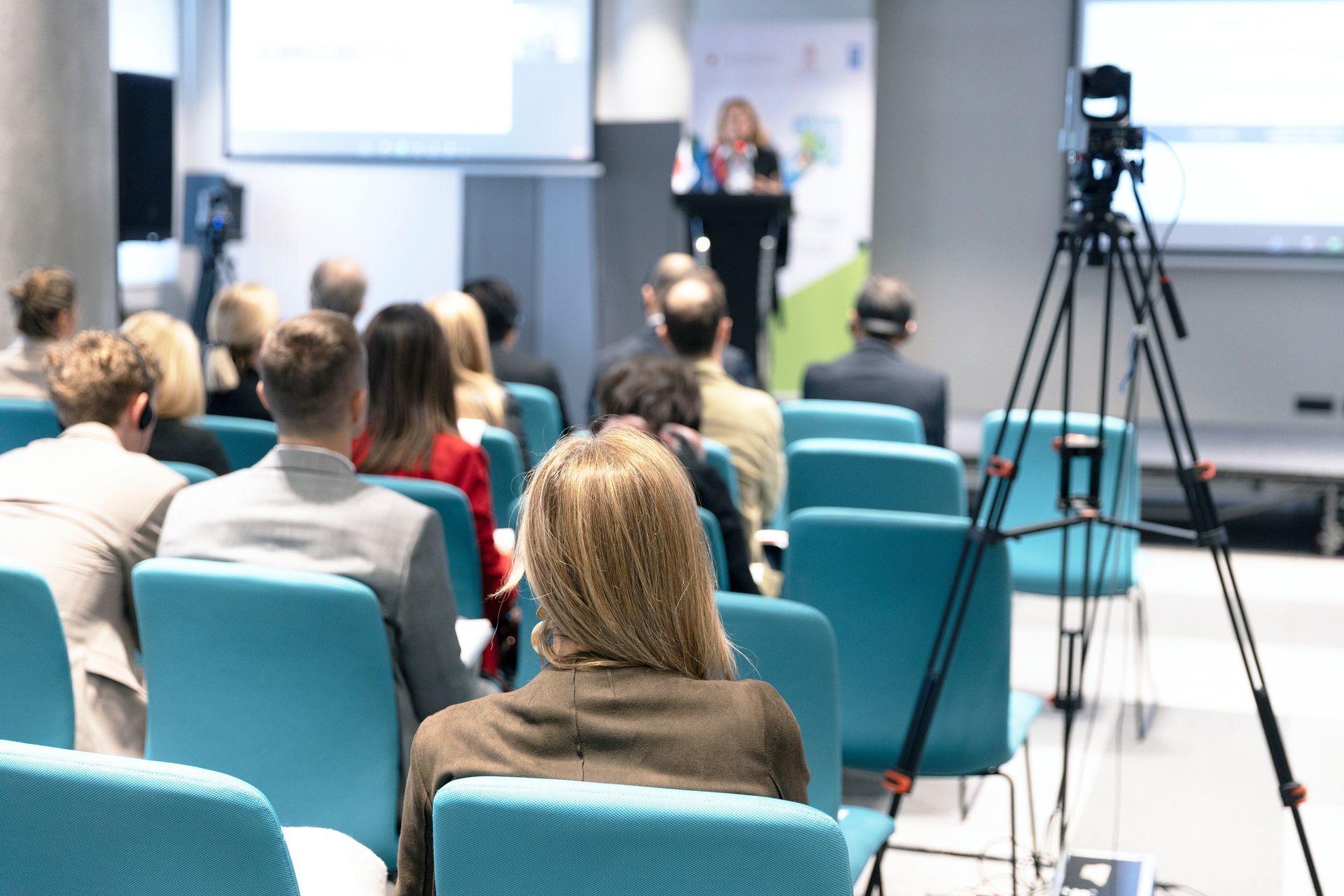
Hybrid is no longer viewed as a simple split between in room and online audiences. It is becoming a more fluid journey that extends beyond the moment of the event itself. The most effective programmes use digital touchpoints before the event to set context and after the event to reinforce ideas or capture reflection.
This shift allows organisations to build experiences that last longer and reach further. It also allows delegates to connect with the content in a way that suits their schedule and location. Leaders who embrace this broader view of hybrid will be better placed to maintain engagement long after the final session ends.
More international opportunities for participation
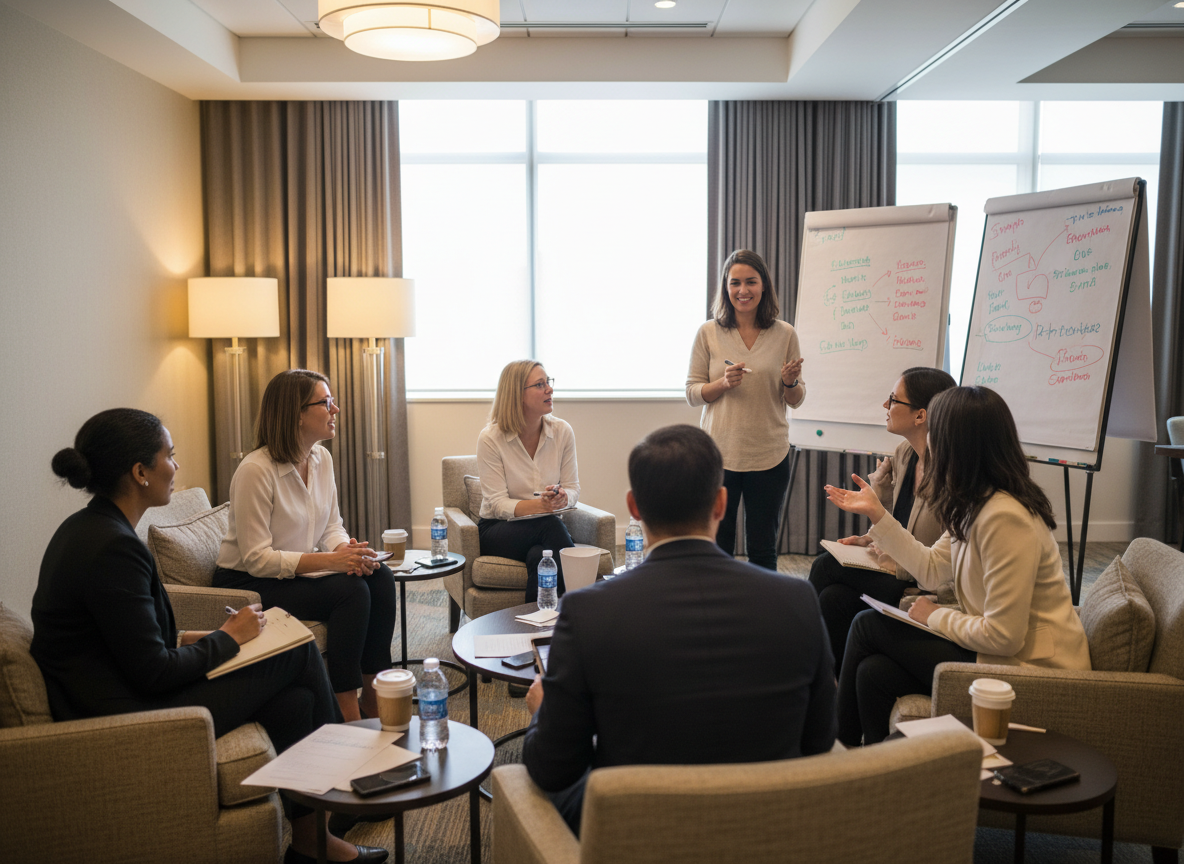
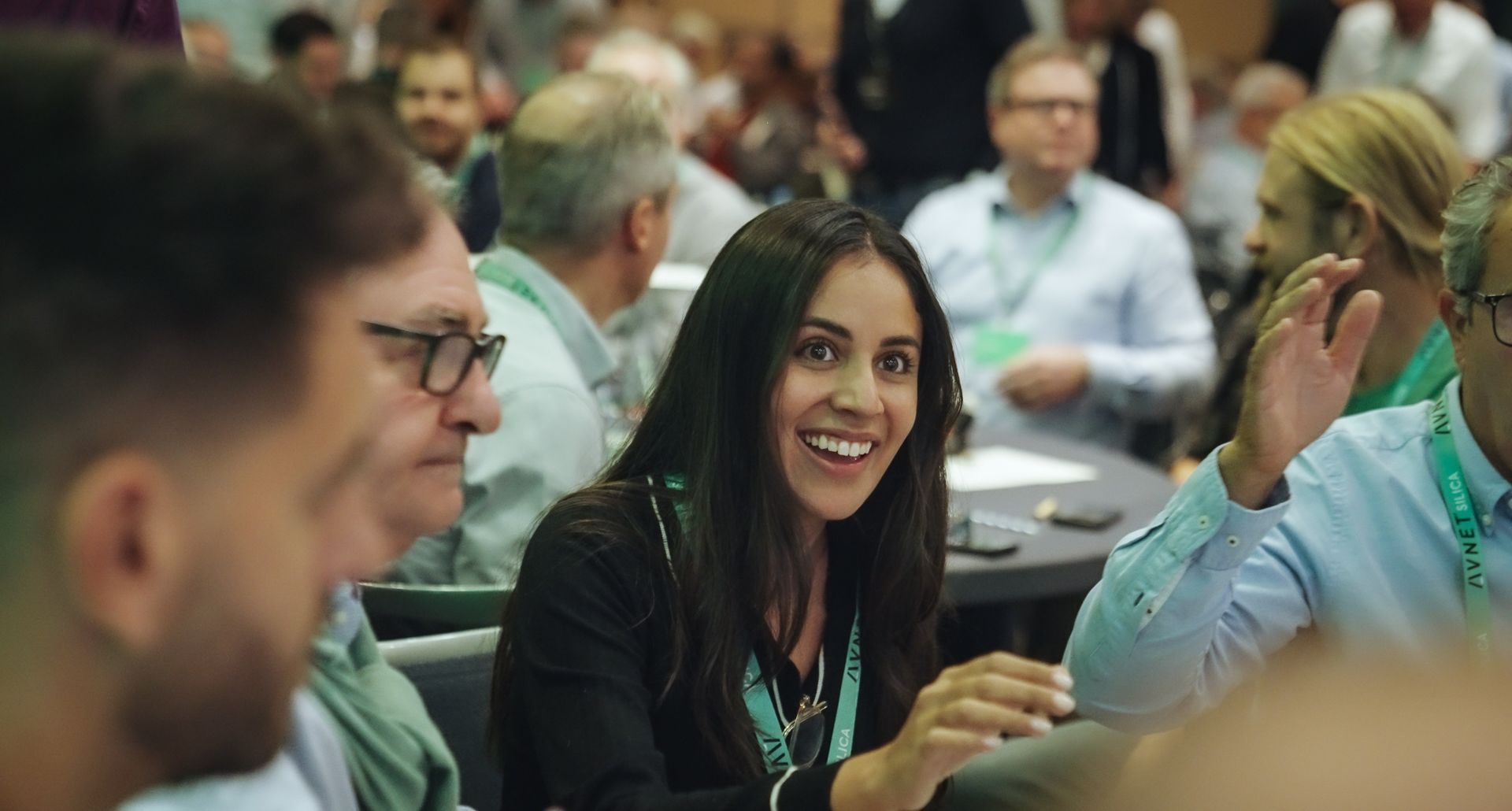
There is a growing recognition that people engage more deeply when they feel part of the experience rather than positioned as passive listeners. In 2026 we expect to see more moments where audiences are invited to contribute. Not loud or forced activities, but simple, well-designed opportunities to share insight, ask questions or shape the direction of a conversation.
These moments work best when they are woven naturally into the experience. When participation feels optional and comfortable. For leaders, this shift requires a willingness to design with an open mind, and to create environments where people feel able to offer their perspective.
Technology working quietly in the background
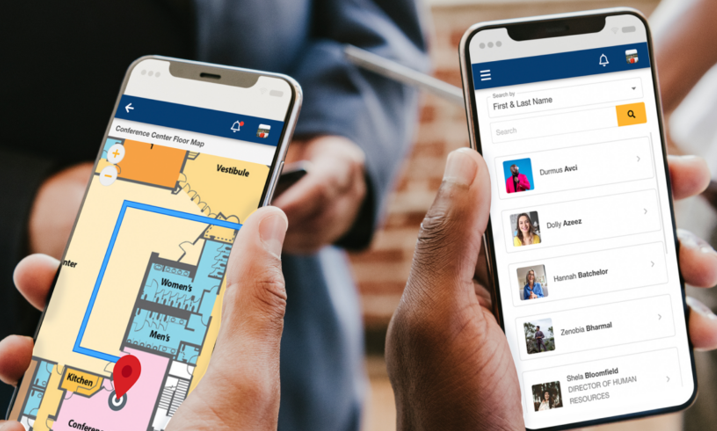
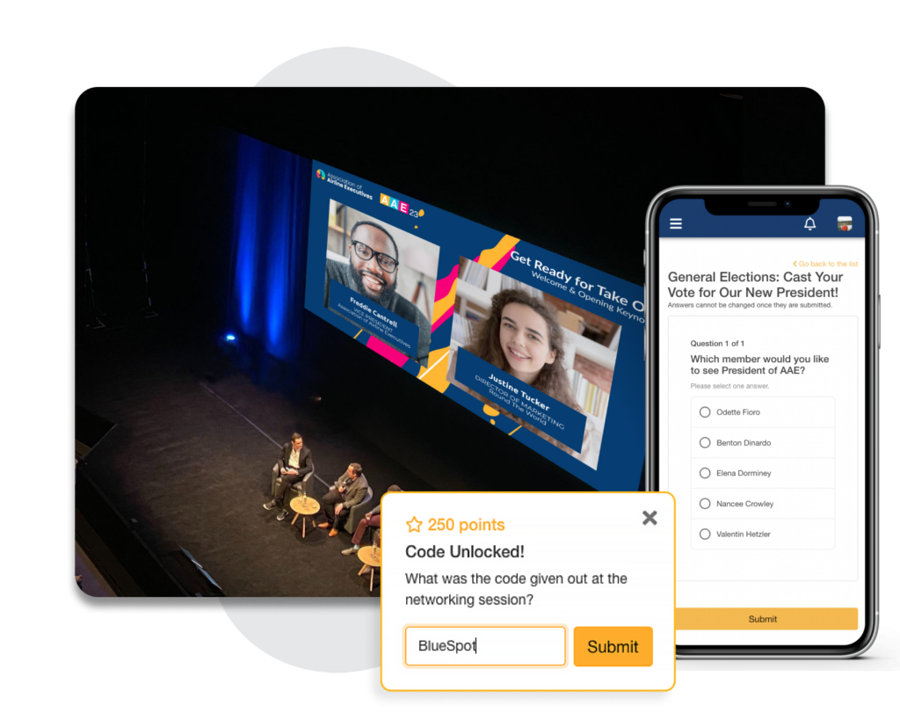
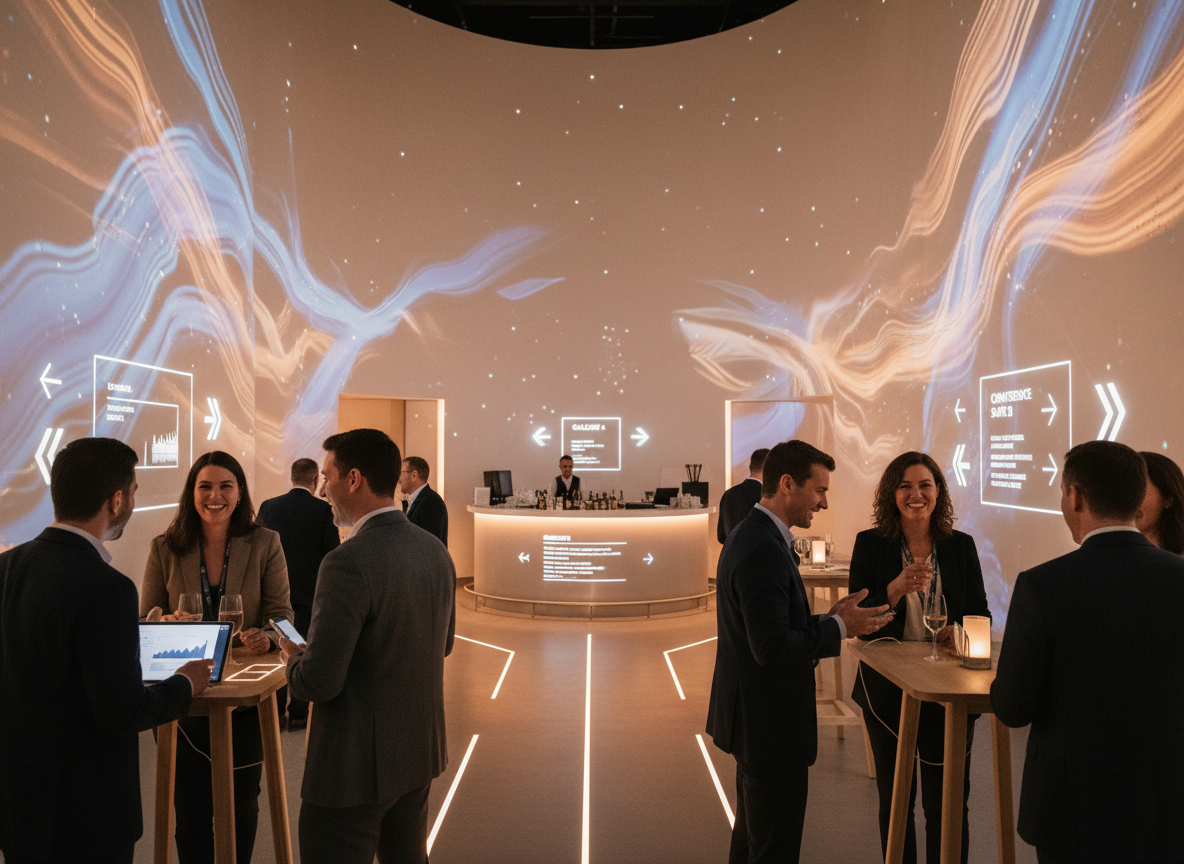
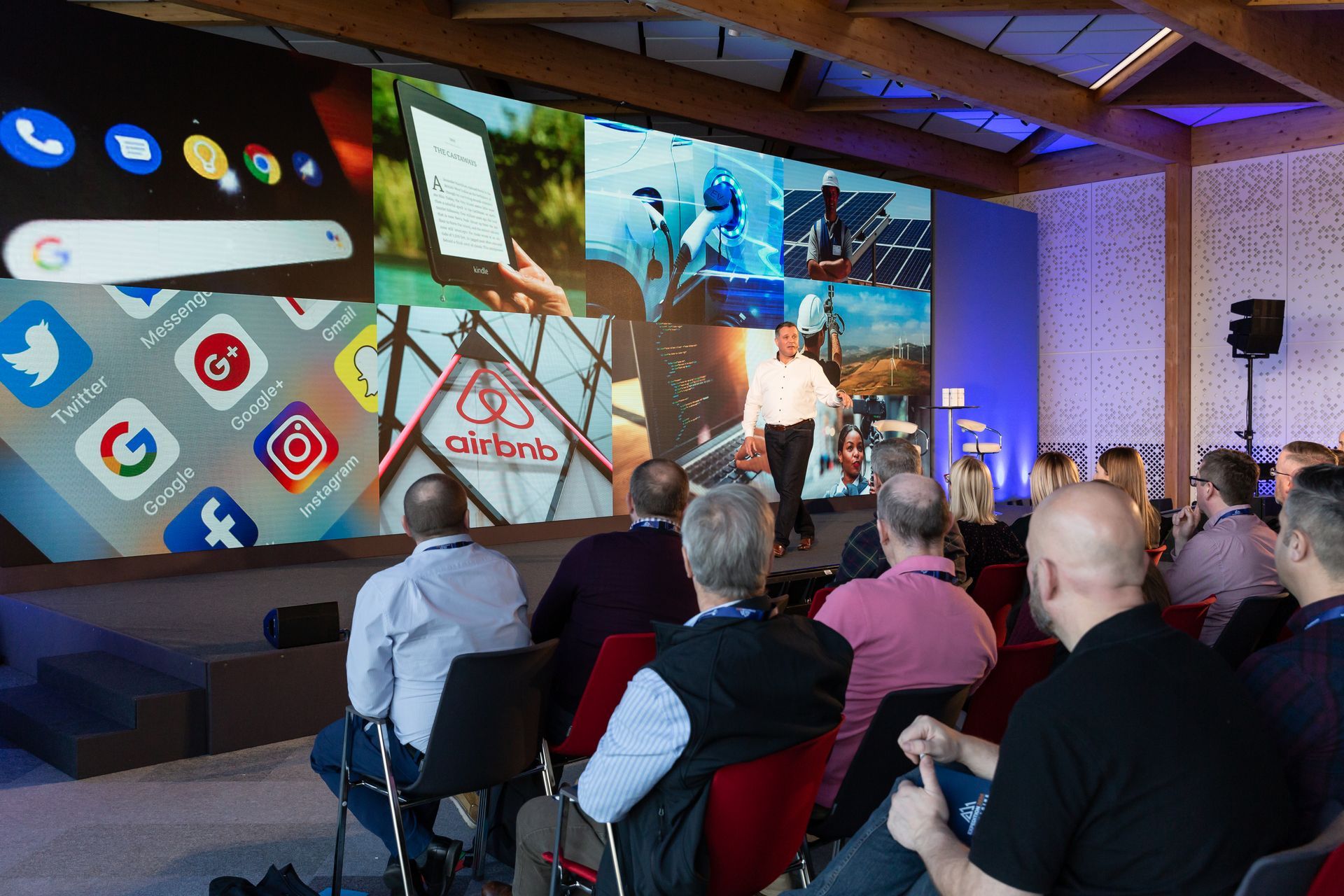
The next phase of event technology will be defined by subtlety. The tools with the greatest impact will be those that enhance the experience without drawing attention to themselves. Touchpoints that support wayfinding. Systems that simplify registration or manage personalised agendas. Lighting, sound and projection that shape the atmosphere gently rather than dominating it.
Leaders using technology in this way can create experiences that feel smoother and more intuitive. Delegates may not notice the technology at all, which is often the sign that it is working at its best.
Flexible formats
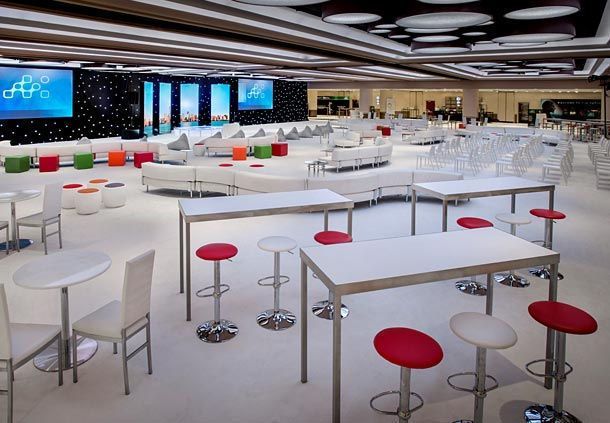
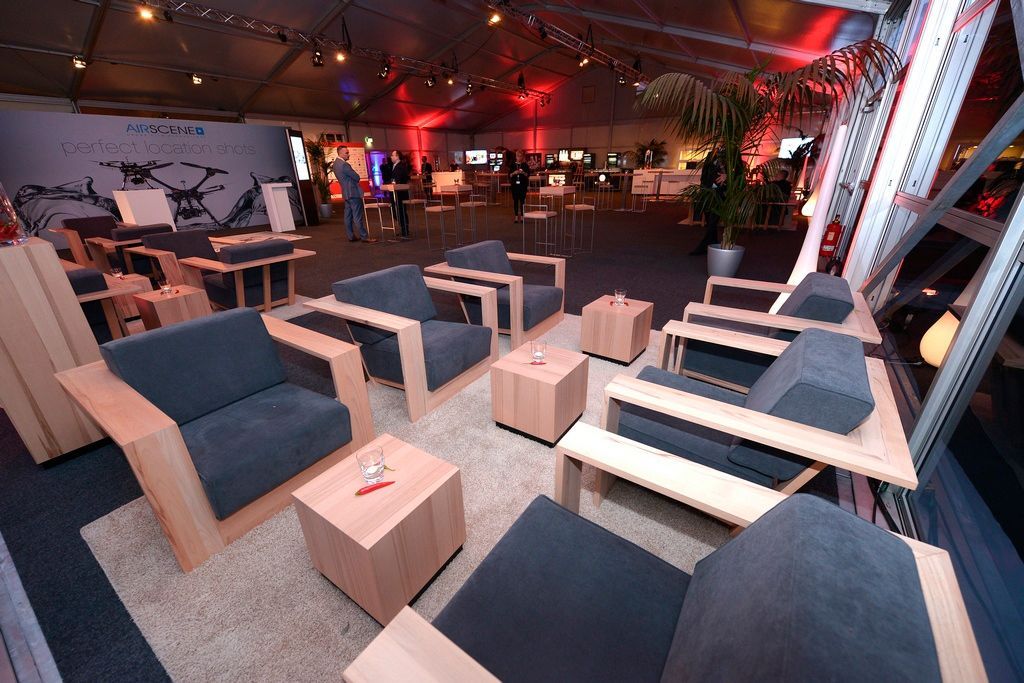
Traditional agendas have often relied on tightly structured sessions delivered in a single format. In 2026 we expect to see more variety. Programmes designed with natural movement. Spaces that allow people to shift between concentrated learning and informal conversation. Formats that adjust gently to the needs of the group.
This flexibility does not mean abandoning structure. It simply means designing in a way that reflects how people actually engage. Leaders who consider pace and flow as carefully as content will create experiences that feel more balanced and more memorable.
Purpose becoming a guiding force
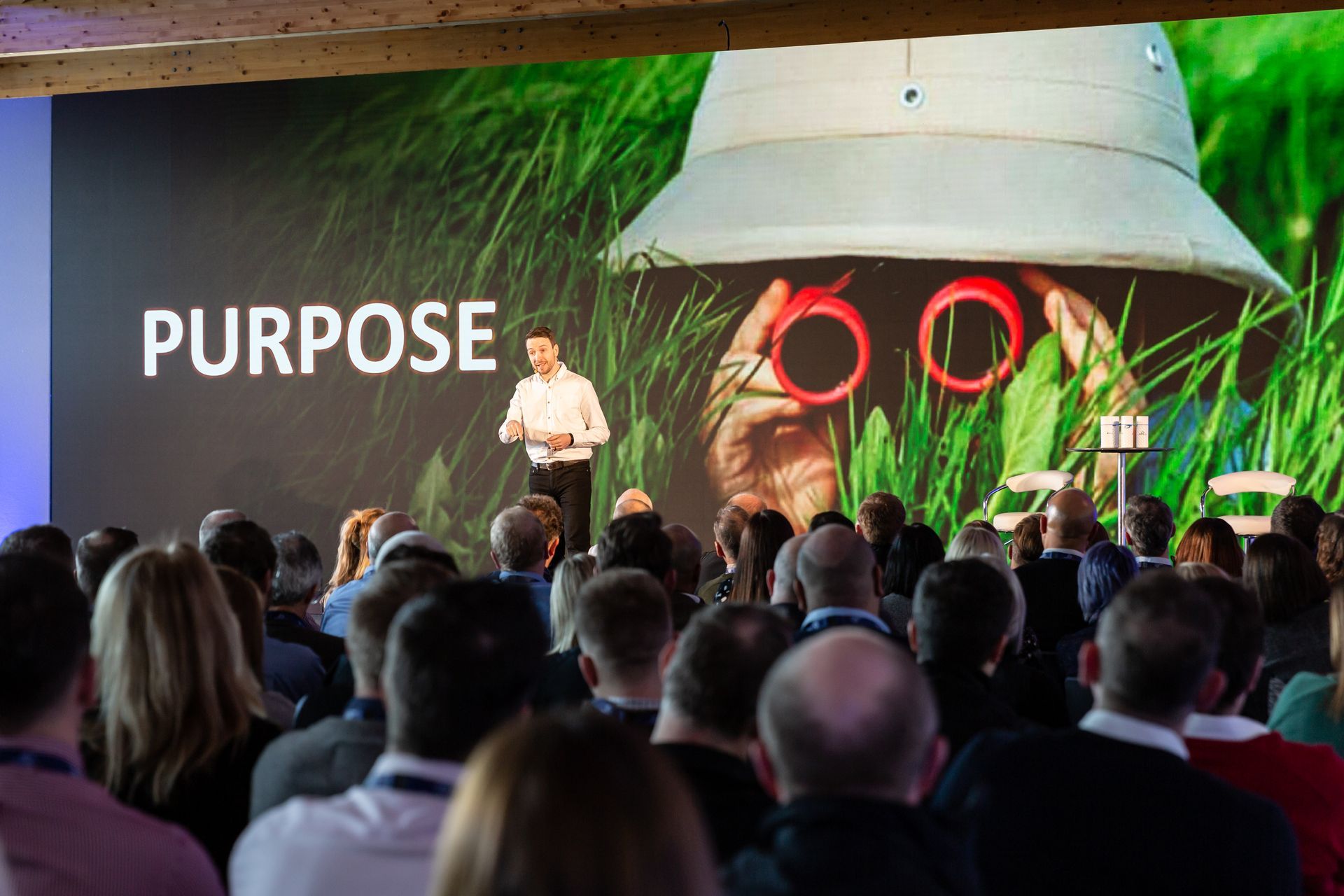
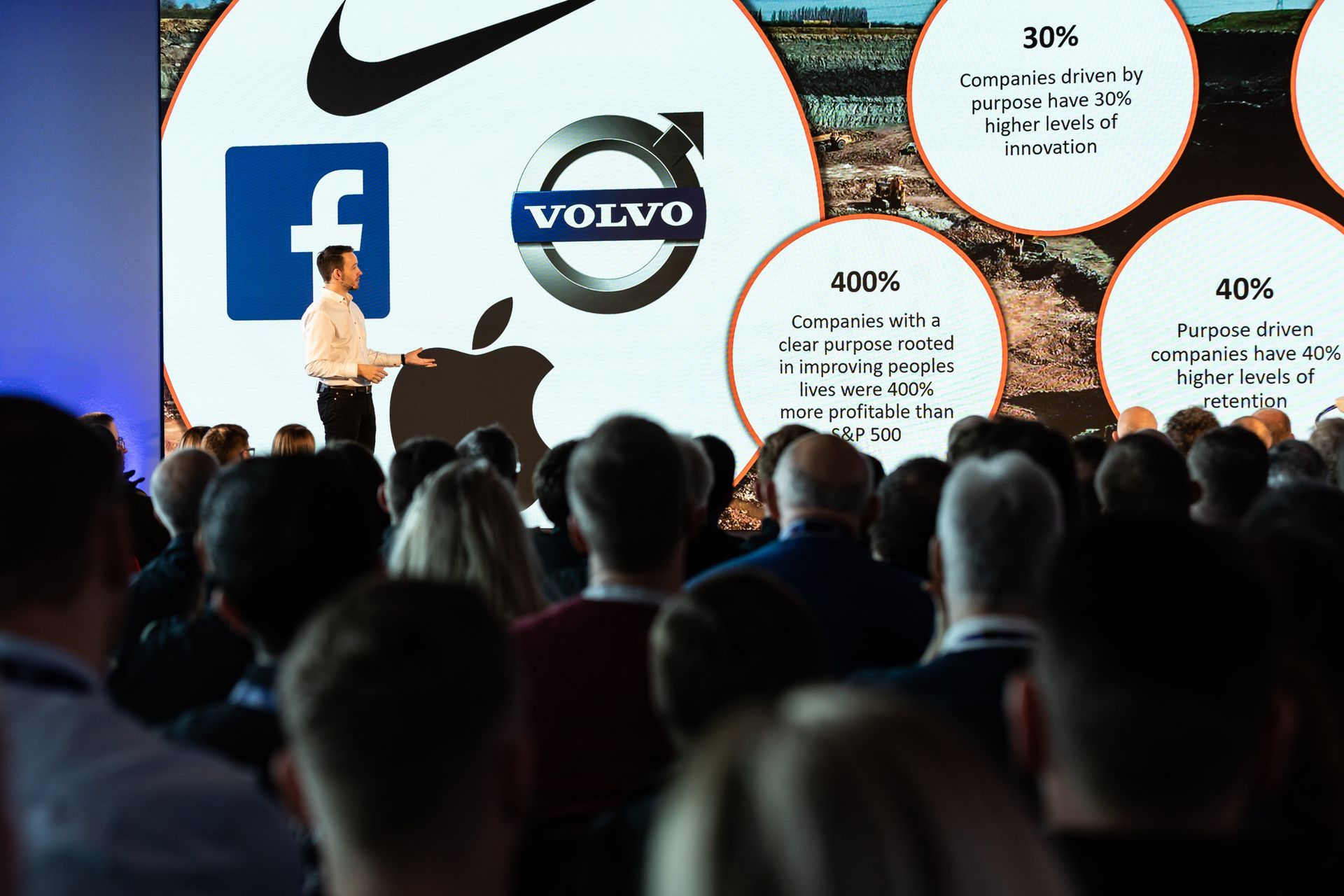
The most successful events in 2026 will be those that are rooted in clear purpose. Delegates want to understand why they are in the room, what the experience aims to achieve and how it relates to their work. Purpose acts as an anchor for decisions about content, environment and design. It helps leaders create events that feel honest and aligned rather than busy or fragmented.
Looking ahead
The year ahead offers a chance to rethink how events bring people together. Leaders who approach design with empathy, clarity and intention will create experiences that remain with audiences long after they leave the room. The tools may continue to evolve, but the heart of a great event remains the same. It helps people connect, understand and move forward with confidence.